

Published by Marcus Hale for Big AI Reports. Category: YouTube Automation.
Scaling before the numbers stabilize is how faceless channels turn AI speed into expensive noise.
Faceless YouTube is not dead, but the cheap version of it is. The channels that survive are the ones treating AI as production leverage, not as a replacement for taste, review, and positioning.
This report is written for operators, not spectators. The goal is to turn “YouTube automation metrics” into a concrete workflow you can publish, test, or package this week.
The important detail is not whether AI helped produce the asset. The important detail is whether the final output has a point of view, a useful structure, and enough proof that a reader can trust it.

This quick article is intentionally narrow. It should solve one problem fast and point the reader to deeper reports.
The seven numbers
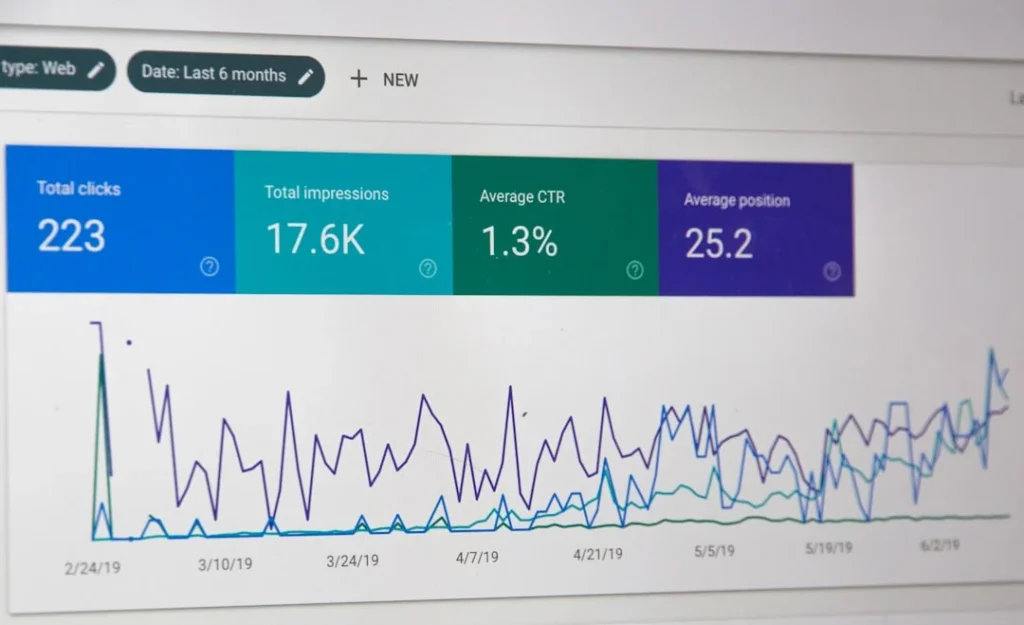
- Track CTR, average view duration, retention dips, repeat viewer rate, production cost, revision time, and content-risk notes.
- Do not scale a format until the retention curve is predictable.
- The cheapest video is not the best video if it creates compliance or reuse risk.
The point of a checklist is not to slow publishing forever. It is to catch the repeat mistakes that make a good idea look careless: vague metadata, weak image matches, unsupported claims, missing internal links, and promises that the article does not actually deliver.
The metric that matters before RPM
The practical move is to break the workflow into layers. One layer collects inputs, one layer creates the first version, one layer checks risk and quality, and one layer publishes or packages the final result. When those layers are mixed together, everything feels faster for a day and messier for a month.
This is where most AI operations get fragile. They have a stack of tools, but no operating rules. A stack can generate assets. A workflow decides which assets deserve to exist.
What not to automate yet
The practical move is to break the workflow into layers. One layer collects inputs, one layer creates the first version, one layer checks risk and quality, and one layer publishes or packages the final result. When those layers are mixed together, everything feels faster for a day and messier for a month.
This is where most AI operations get fragile. They have a stack of tools, but no operating rules. A stack can generate assets. A workflow decides which assets deserve to exist.
What I would do this week
- Fix the highest-risk field first.
- Add one practical example.
- Link to the deeper report only when the quick answer is complete.
Related Big AI Reports reading
- The 2026 YouTube Automation Audit: Why We Abandoned the Cash Cow Model
- The 3 Best AI Video Upscalers in 2026
Source notes for operators
These are not decorative citations. They are useful starting points when the article touches policy, search visibility, or crawler behavior. Always re-check platform documentation before making a high-risk publishing decision.
FAQ
Is YouTube automation metrics a beginner topic?
It can be, but only if the article gives a clear first action. Big AI Reports content should avoid pretending that a complex workflow is easy. The better angle is to show the first safe step, the second test, and the mistake to avoid.
Should this be automated completely?
No. The repeatable parts should be automated, but judgment should stay with a human editor or operator. Full automation is usually where weak claims, duplicate ideas, and thin content start to slip through.
How should this article link to older Big AI Reports content?
Use older reports as evidence or context, not as random SEO decoration. Link to the article that helps the reader understand the next decision.
Bottom line
The practical lesson is simple: Scaling before the numbers stabilize is how faceless channels turn AI speed into expensive noise. The winning version of this strategy is not louder. It is cleaner, better documented, easier to update, and safer to repeat.