

Published by Marcus Hale for Big AI Reports. Category: YouTube Automation.
A faceless channel is not safer because nobody appears on camera. It needs a compliance stack that catches synthetic realism, likeness risk, reused patterns, and weak attribution before upload.
Faceless YouTube is not dead, but the cheap version of it is. The channels that survive are the ones treating AI as production leverage, not as a replacement for taste, review, and positioning.
This report is written for operators, not spectators. The goal is to turn “faceless YouTube compliance stack” into a concrete workflow you can publish, test, or package this week.
The important detail is not whether AI helped produce the asset. The important detail is whether the final output has a point of view, a useful structure, and enough proof that a reader can trust it.
This is a main report, so it should carry the big strategic idea and give enough detail to become a future internal-link hub.
The working model
| Layer | Question | Operator rule |
|---|---|---|
| Input | What evidence, product detail, source, or test result starts the workflow? | Do not generate from memory when the topic is factual or policy-sensitive. |
| Draft | What is the first useful structure? | Use AI for outline speed, then add operator judgment. |
| Review | What can break trust, policy, or monetization? | Check claims, visuals, disclosure, internal links, and CTA fit. |
| Publish | What does the reader do next? | Schedule with clean metadata and one clear next action. |
Why compliance is now part of production
The mistake is treating this as a trend instead of a change in operating conditions. When platforms, search engines, and buyers change what they reward, the workflow has to change before the results disappear. A small publisher or creator cannot outspend larger operators, but they can out-document them.

Documentation sounds boring until it saves money. When every test has a clear source path, a publish date, a revision note, and a decision rule, the next article or video does not start from zero. That is how a small team starts compounding.
AI voice and realistic synthetic content disclosures
The practical move is to break the workflow into layers. One layer collects inputs, one layer creates the first version, one layer checks risk and quality, and one layer publishes or packages the final result. When those layers are mixed together, everything feels faster for a day and messier for a month.
This is where most AI operations get fragile. They have a stack of tools, but no operating rules. A stack can generate assets. A workflow decides which assets deserve to exist.
The footage review layer
Review systems matter because they make judgment visible. Without a review board or scorecard, every decision becomes a mood: the last video felt good, the last product looked promising, the last article seemed useful. That is not an operating system.
Use a small number of metrics and write a note beside each one. Numbers show the pattern; notes explain the cause. The combination is what stops a creator from scaling the wrong thing.
Human fact review before upload
Review systems matter because they make judgment visible. Without a review board or scorecard, every decision becomes a mood: the last video felt good, the last product looked promising, the last article seemed useful. That is not an operating system.
Use a small number of metrics and write a note beside each one. Numbers show the pattern; notes explain the cause. The combination is what stops a creator from scaling the wrong thing.
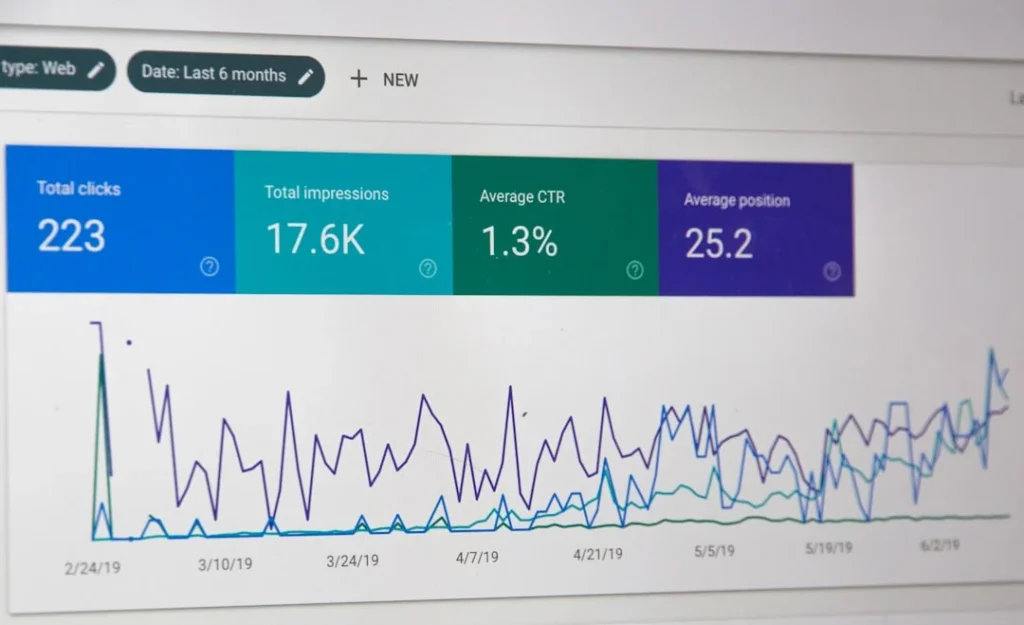
A practical compliance stack for small teams
Policy-sensitive content needs a different rhythm. First, identify what the platform says. Second, separate what is allowed from what is risky. Third, write the workflow around the safest repeatable behavior instead of the most aggressive growth hack.
This does not make the content weaker. It makes it more useful. Readers do not need another viral promise. They need to know what can be done repeatedly without creating unnecessary account, monetization, or trust problems.
What I would do this week
- Create one tracking sheet for the workflow and keep the fields boring on purpose: date, source, output, cost, issue, next action.
- Pick one older Big AI Reports article and add a link from the new post only if it genuinely helps the reader move forward.
- Run one small test before scaling the idea into a product, plugin, or 30-day content series.
- Record the limitation. The limitation is what makes the report believable.
Related Big AI Reports reading
- The 2026 YouTube Automation Audit: Why We Abandoned the Cash Cow Model
- The 3 Best AI Video Upscalers in 2026
Source notes for operators
These are not decorative citations. They are useful starting points when the article touches policy, search visibility, or crawler behavior. Always re-check platform documentation before making a high-risk publishing decision.
FAQ
Is faceless YouTube compliance stack a beginner topic?
It can be, but only if the article gives a clear first action. Big AI Reports content should avoid pretending that a complex workflow is easy. The better angle is to show the first safe step, the second test, and the mistake to avoid.
Should this be automated completely?
No. The repeatable parts should be automated, but judgment should stay with a human editor or operator. Full automation is usually where weak claims, duplicate ideas, and thin content start to slip through.
How should this article link to older Big AI Reports content?
Use older reports as evidence or context, not as random SEO decoration. Link to the article that helps the reader understand the next decision.
Bottom line
The practical lesson is simple: A faceless channel is not safer because nobody appears on camera. It needs a compliance stack that catches synthetic realism, likeness risk, reused patterns, and weak attribution before upload. The winning version of this strategy is not louder. It is cleaner, better documented, easier to update, and safer to repeat.